- The Breakdown
- Posts
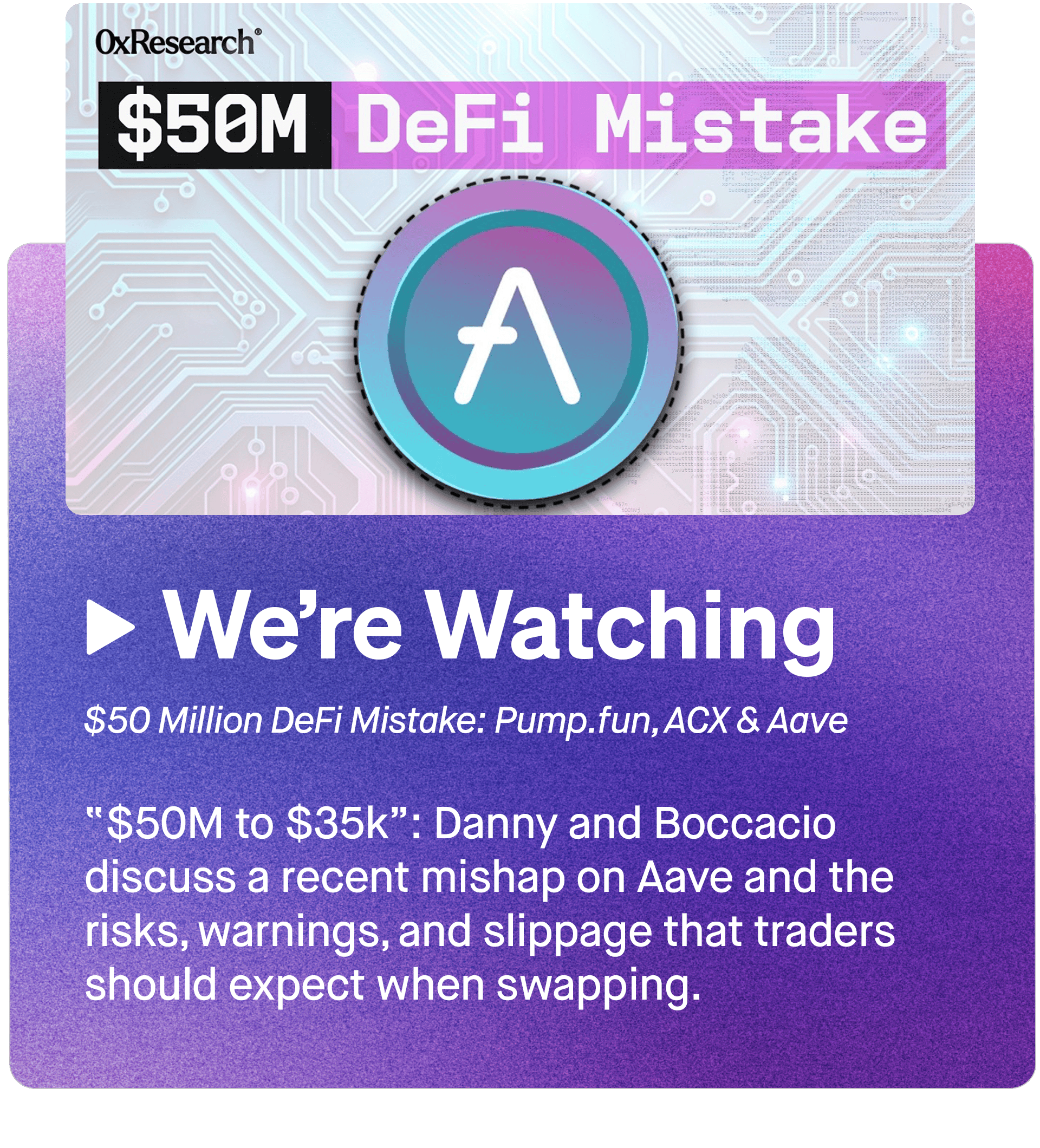
- 🟪 Banks, blockchains and a $50M mishap
🟪 Banks, blockchains and a $50M mishap
How stablecoins will transform banking

💱 How stablecoins will transform banking
It might be fait accompli, says Matt Hougan, that all dollars will move over to stablecoins. And it may be competition anxiety, argues Michael Marcantonio, that motivates banks to push back on stablecoin legislation. In this episode, the Inflection Point crew examine the stablecoin revolution in banking and what’s to come.
The bulk of the episode centers on Kraken’s acquisition of a skinny Fed master account, covering its limitations around overnight balance caps and interest on reserves, and contrasting Kraken’s five-year quiet regulatory engagement with Custodia’s failed litigation approach. The panel also discusses how factors about Kraken — its combined exchange, bank charter, custody, Fedwire settlement, and tokenization stack — represent a prime-broker-like model that no other crypto-native firm currently replicates.

Josh, in his newsletter Letters from the Savannah, argues that banking is being unbundled again, but this time at a deeper layer than the previous fintech wave, which mostly changed distribution and user experience.
He sees stablecoins, tokenization and smart contracts as the real shift because they let monetary assets and credit move on programmable rails, rather than through slow bank ledgers and batch settlement systems. That opens the door to more specialized financial products, more modular balance sheets, and a broader marketplace for lending and capital formation.
He also argues that AI agents will become key operators of this new stack, continuously routing and optimizing finance, while the biggest long-term winners are likely to be the rail owners and the platforms that aggregate the user relationship at the top.
Speaking of AI agents, they’ll need the right payment rails for different types of transactions.
Card networks are best for agents acting as proxies for humans — booking travel, paying for SaaS, or buying goods — because they offer global acceptance, buyer protections, and established infrastructure.
But card fees and settlement structures make micropayments, high-frequency API calls, and other machine-native transactions uneconomical. Stablecoins solve this by enabling near-instant, low-cost payments with programmable wallets and emerging protocols for agent identity and micropayments. The likely future is hybrid: cards for human-style commerce, stablecoins for machine-native transactions.
Brought to you by:

Sablier is infrastructure for token distribution and money streaming. Vest tokens, run airdrops, and stream payments onchain, all with customizable unlock schedules.
530,000+ streams created. 6+ years without hacks. Used by Ethena, Uniswap DAO, and Fluid.
Start streaming at sablier.com.


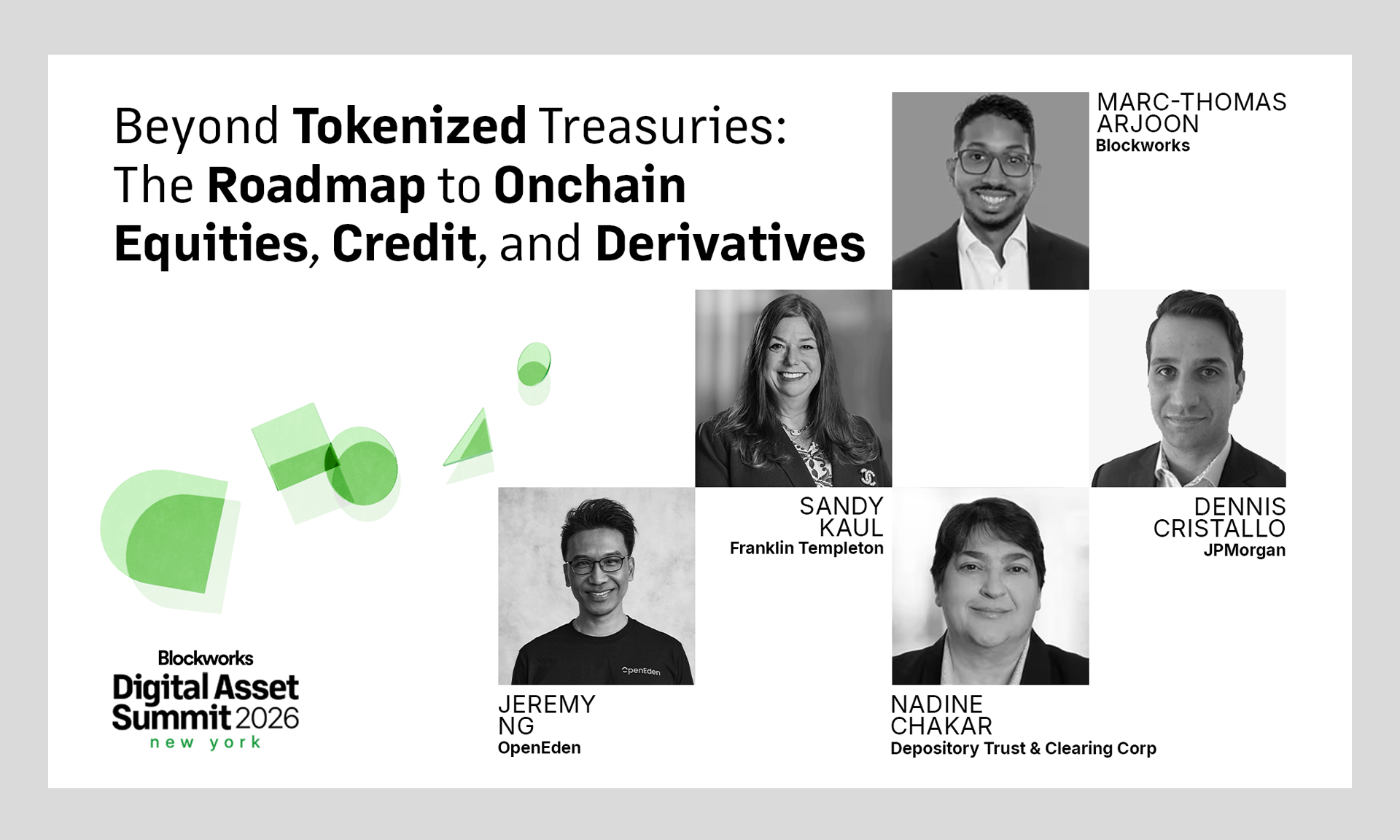
DAS NYC's lineup is bringing the biggest names in finance to the stage.
Don't miss the institutional gathering of the year — this March 24−26.