- The Breakdown
- Posts
- 🟪 Friday charts



Friday charts: AI is unpopular
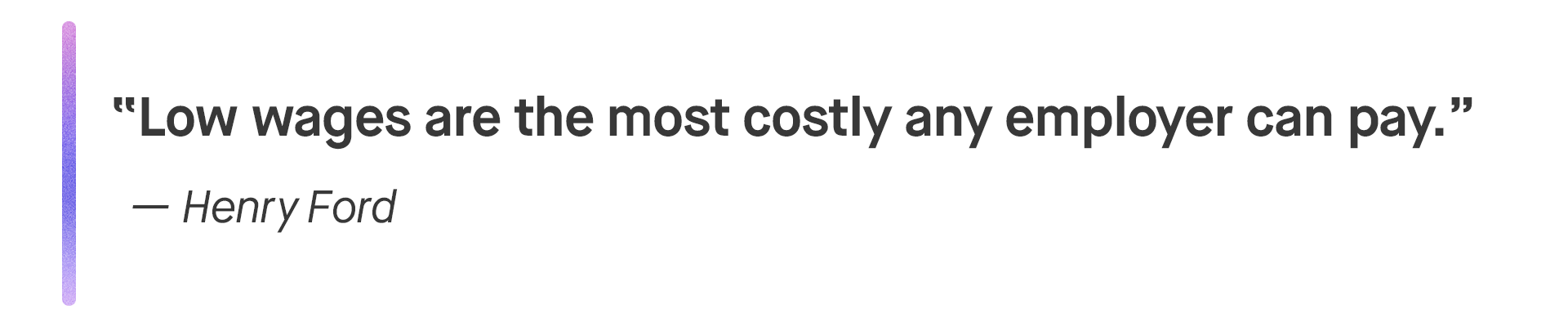
When Henry Ford introduced the $5-a-day wage in 1914, business leaders and communist agitators found themselves, for once, in agreement: They both thought it threatened capitalism.
The Wall Street Journal gave voice to fretful business titans everywhere: “[Ford] in his social endeavor has committed economic blunders, if not crimes. They may return to plague him — and the industry he represents as well as organized society.”
The communist journalist John Reed agreed: “The truth is that this new Ford plan is turning into something dangerously like a real experiment in democracy — and from it may spring a real menace to capitalism.”
The two sides did not, however, agree on the solution to this “problem” of rising wages: One side wanted to slow it down and the other wanted to speed it up.
Today, AI is creating similarly unusual bedfellows, but for the opposite reason. Business elites and left-wing politicians both warn that AI will lower wages for legions of workers — to zero, in many cases.
Anthropic’s Dario Amodei prophesies that AI will eliminate as many as 50% of entry-level white-collar jobs and push unemployment as high as 20% — possibly even in the next year or two.
He also just raised $30 billion from investors to make it happen.
Not to be outdone, Senator Bernie Sanders warns that the threat AI poses to employment has created the “most dangerous moment in the modern history of this country.”
Sanders is calling for a moratorium on new AI data centers to “slow down the revolution and protect workers.”
As with Ford’s $5 wage, business leaders and their harshest critics agree that AI is a revolution for employment. Now as well as then, one side wants to speed it up and the other wants to slow it down.
People have noticed.
A YouGov poll out this week reports that 47% of Americans think AI will have a negative impact on society, versus just 16% who expect a positive one.
Another poll found AI to be one of the least popular things in America — less popular than ICE and the Republican party and more popular than only Iran and the Democratic party.
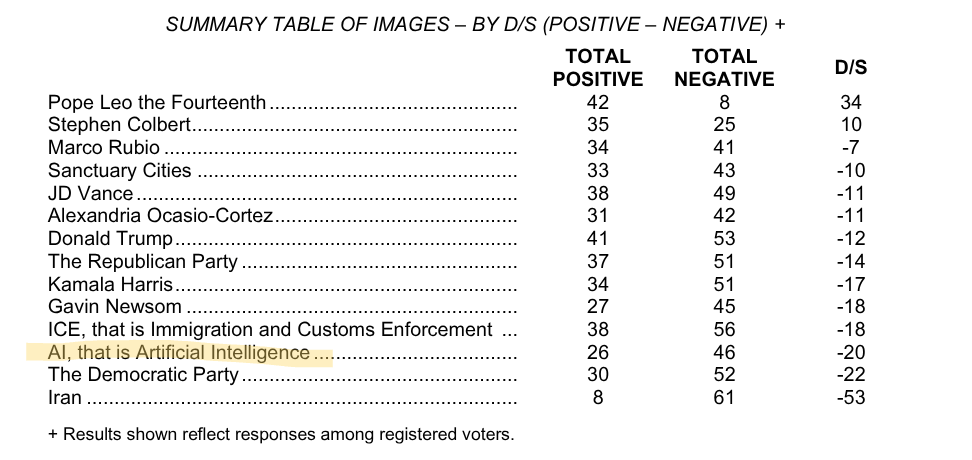
Worse yet, a new survey suggests AI may soon be vying with Iran for dead last: 58% of 866 companies surveyed say they’re cutting payroll to help fund investment in AI.
58 percent!
Oracle is the most recent example. In their earnings report this week, the company said AI infrastructure sales rose 81% in the quarter. That’s the good news: the stock was up 10% on the day.
The bad news: Oracle is funding further investment into AI infrastructure in part by cutting costs: They plan to lay off as many as 30,000 of their 160,000 employees.
Henry Ford would disapprove.
“Cutting wages is not the way to recovery,” he wrote in his autobiography, advising businesses instead to “raise wages and improve the product."
It worked for Ford. After automating his assembly line, the cost of a Model T fell from $850 to $260 — and workers made twice as much as they did before.
It worked for the rest of the country, too: The availability of cheaper cars vastly grew the number of car owners, which expanded employment in dealerships, service stations, garages and repair shops.
In the end, The Wall Street Journal and John Reed were both wrong about Ford, wages and automation.
Let’s hope Amodei and Sanders are equally wrong about AI.
The YouGov poll:
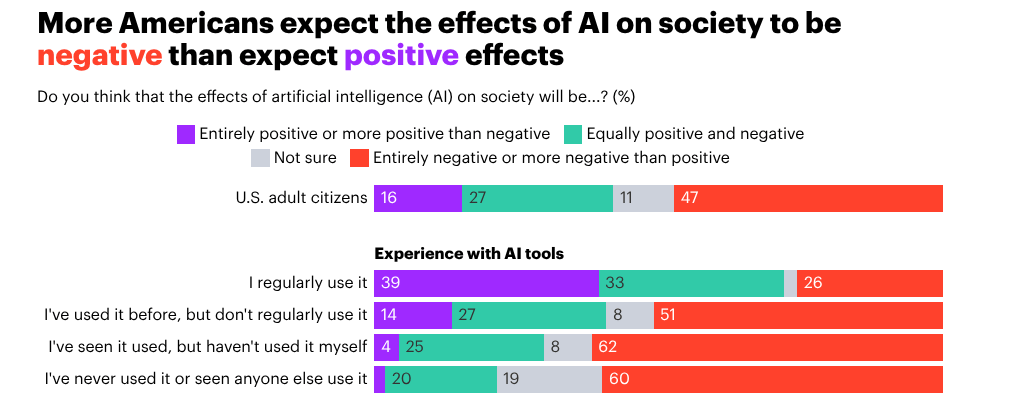
AI is unpopular — but much less so with people who actually use it.
The spreadsheet precedent:
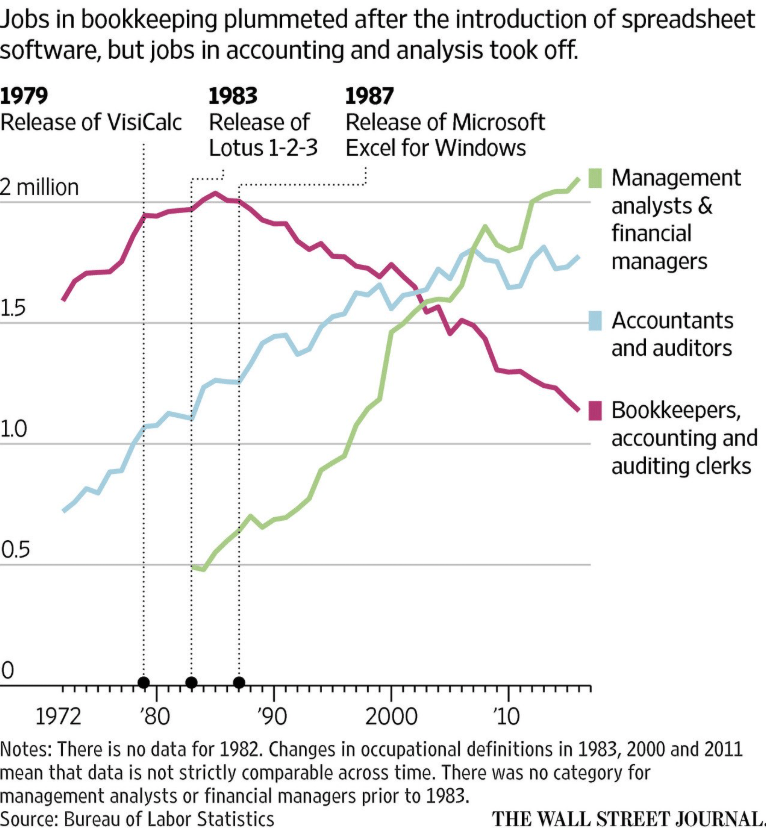
The advent of spreadsheets did, as expected, eliminate bookkeeping jobs. But it created many more (and better) jobs for financial analysts and the like.
Nothing’s happened yet:
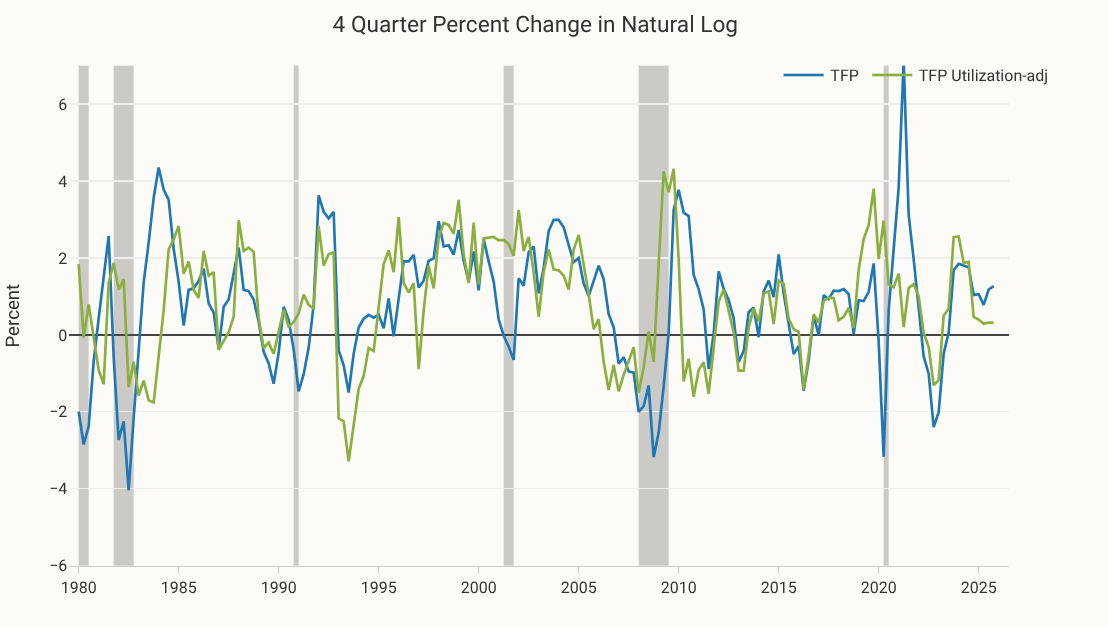
Employers’ expectation to do more with less remains speculative. Data this week showed total factor productivity grew just 1.27% in 2025. Adjusted for utilization, it was up just 0.32%. Economists adjust for utilization to measure the real impact of new technology (as opposed to just working people and capital harder).
Humans still needed, even in coding:
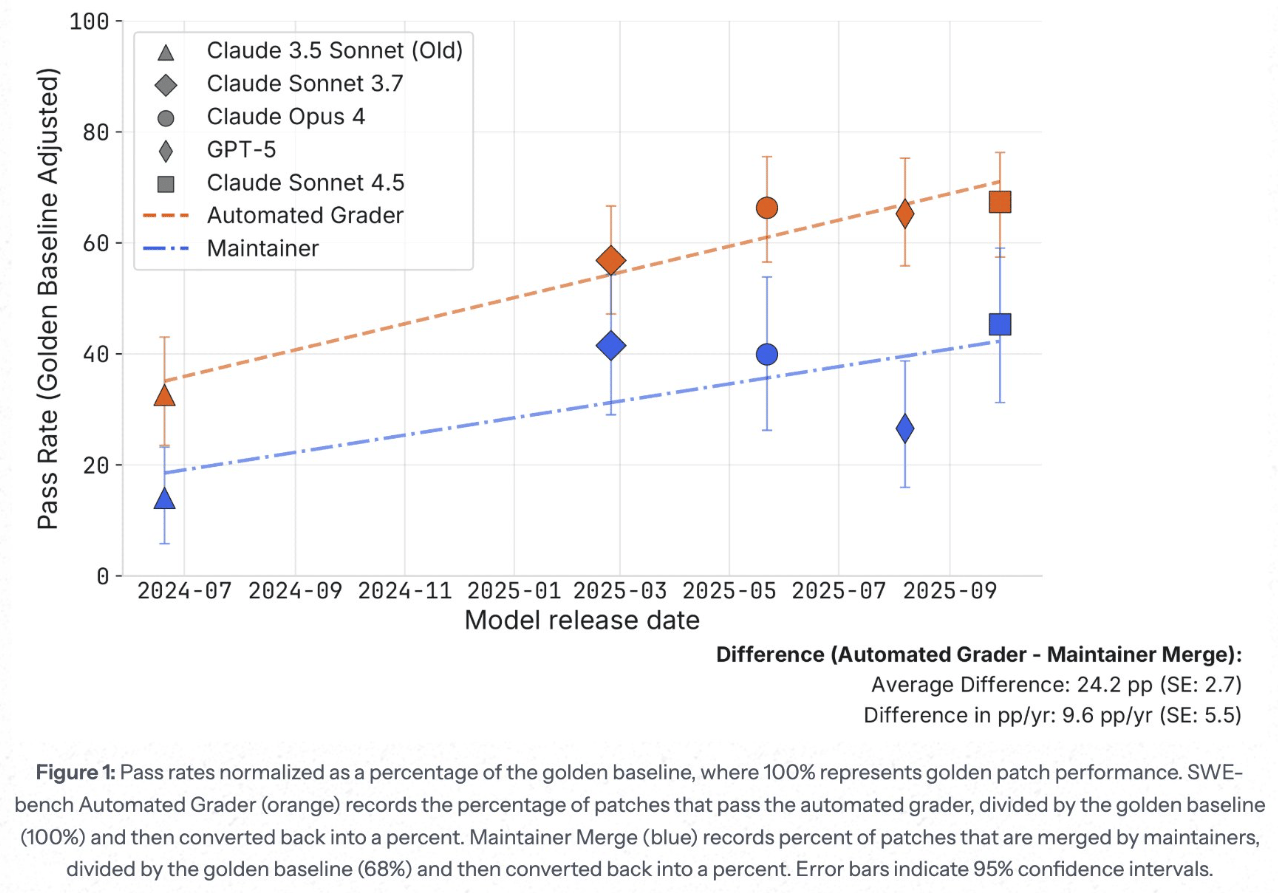
AI researchers at METR find that half of the AI-written code that passes AI evaluators (the orange line above) would be rejected by human evaluators (the blue line).
Survey says…
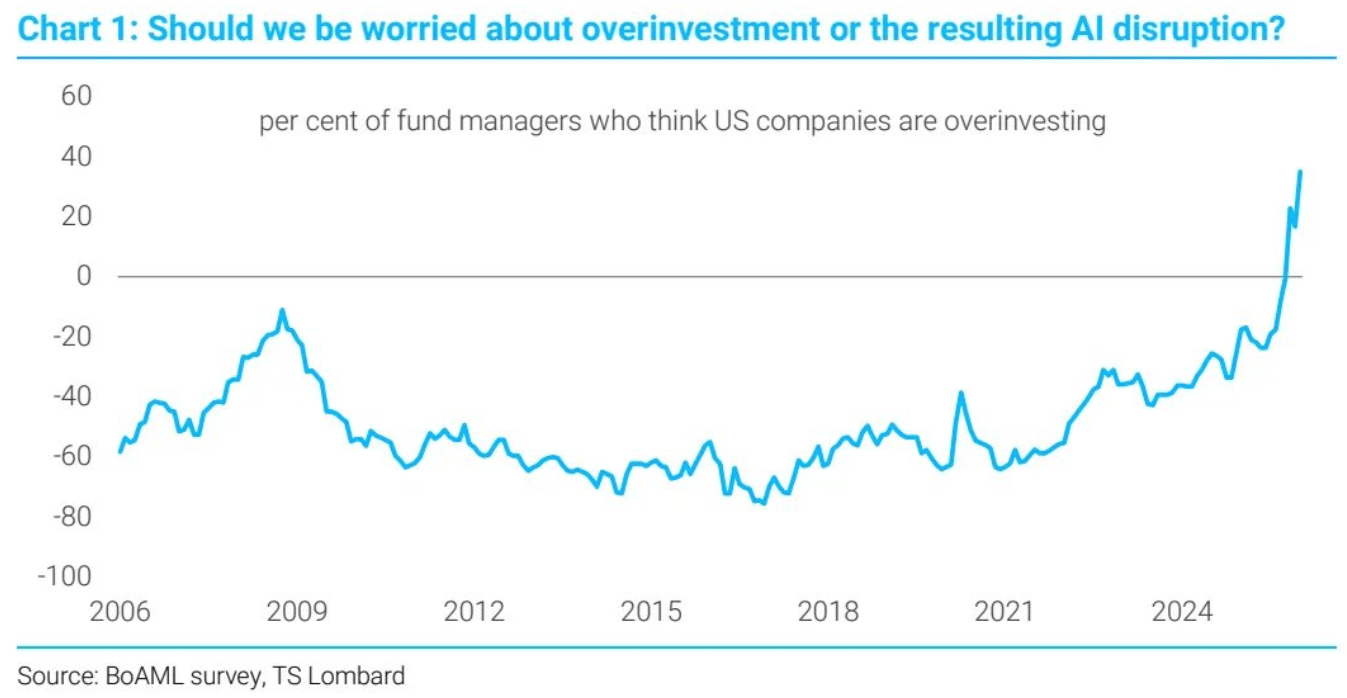
Investors surveyed by Bank of America think companies are overinvesting in AI. By that logic, they are probably underinvesting in people.
Dario Amodei is winning:

The lead economist at Ramp says Anthropic is the new default AI provider for businesses. But people seem to think OpenAI’s Codex is now better than Claude Code. There may be no moats in AI.
Falling software prices are nothing new:

The price of software has nearly always gone down, and employment in software has nearly always gone up. Maybe this time won’t be different?
The big bet:
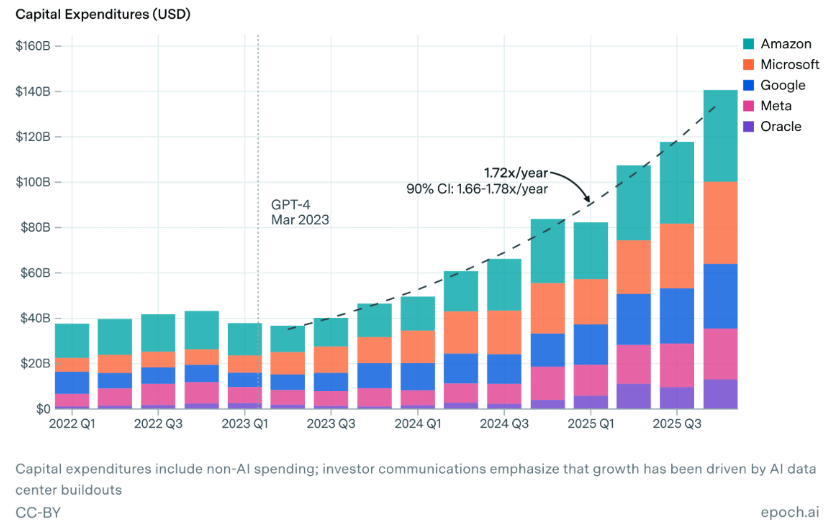
Hyperscaler capex is on pace to hit $1 trillion per year this year or next. The director of research at Epoch.AI says “this is insane.”
Sitting this one out:
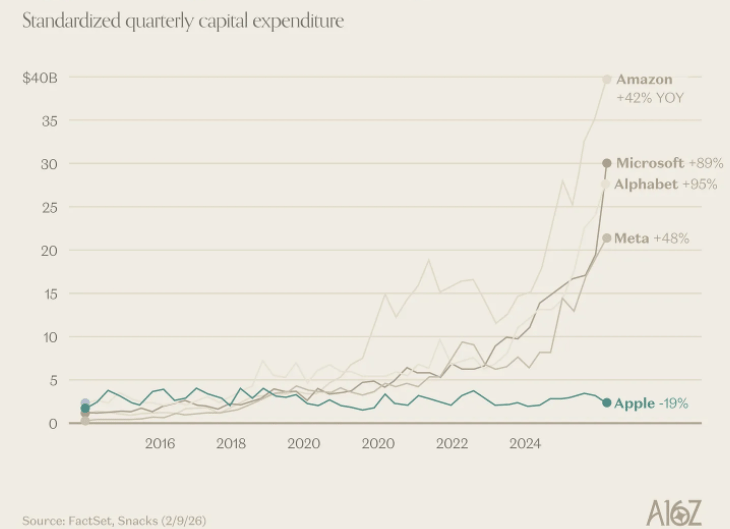
Apple’s capex is down 19% over the past year. Seems smart: It probably won’t cost them much to use all the infrastructure the others are building.
An AI use case:
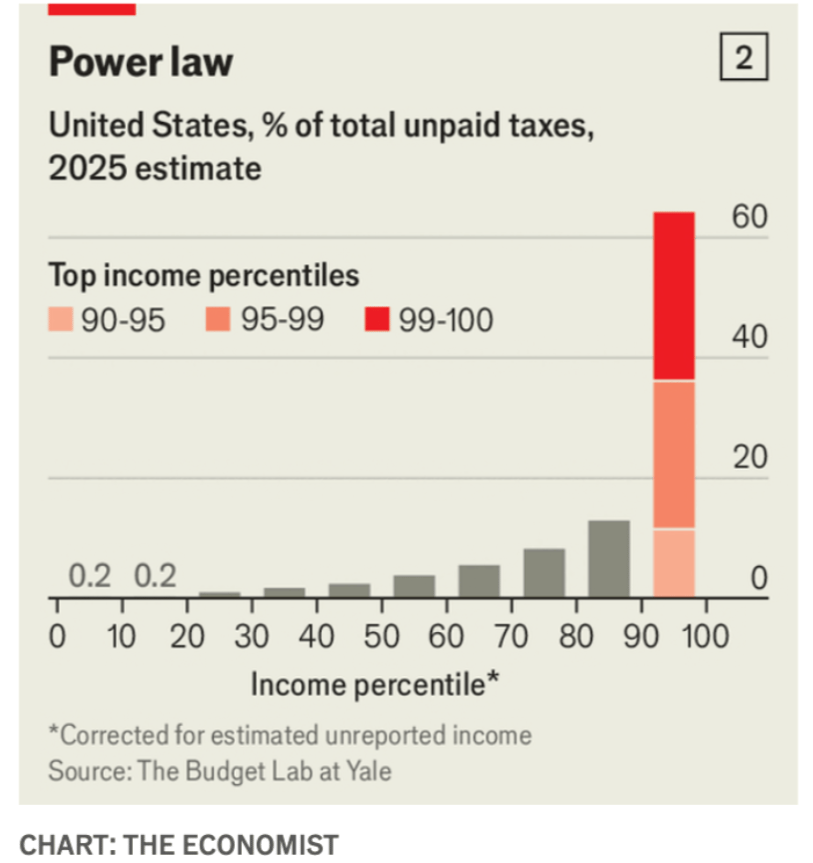
The percentage of US taxes due that go unpaid is exploding. If the IRS ever has enough staff to audit people, I can imagine what they’ll hear: “AI did my taxes” will be the new “dog ate my homework.”
Maybe that will make AI more popular, at least.
(For as long as we still have wages to pay taxes on.)
Have a great weekend, high-wage readers.

Brought to you by:

ZKsync is the Bank Stack of Ethereum. ZKsync’s Prividium is the only Ethereum-secured blockchain platform purpose-built for institutions that demand privacy, compliance, and full control of their data.
Designed for enterprises, Prividium offers user-level privacy, compliance, cross-chain connectivity, and Ethereum-grade security out of the box. More specifically, Prividiums:
ensure that sensitive data never leaves enterprises’ infrastructure
combine role-based access controls with ZK proofs to make requirements such as AML and KYC enforceable and verifiable
give operators full authority over governance and transaction ordering
connect natively to Ethereum
Private where it matters. Connected where it counts.