- The Breakdown
- Posts
- 🟪 Friday charts



Friday charts: Ya gotta believe
The key to living a long and healthy life is believing you will.
That, at least, is the conclusion of a decades-long study on how our outlook on life shapes our outlook for health: “Higher optimism levels were associated with longer life span and higher odds of achieving exceptional longevity,” the researchers found.
As you might expect, taking an optimistic view of things improves lives by easing the burdens of cognitive maladies like depression.
But the study finds it does much more than that. Optimism is also a “psychological resource” that makes people healthier, more confident, and more resilient.
Specifically,
“Optimistic individuals tend to have goals and the confidence to reach them.”
“When faced with difficulties, more optimistic individuals appear to have better capacity to regulate emotions through cognitive routes.”
“Optimism has some of the strongest and most consistent associations with a wide range of health outcomes, including reduced risk of cardiovascular events, lung function decline, and premature mortality.”
All this applies to countries, as well.
“America’s national identity isn’t rooted in the land, a shared race, or scriptural revelation,” Daniel Rothschild writes for HumanProgress.org. Instead, Americanness is rooted in “an indefatigable optimism about the future and our ability to [manifest] these principles.”
Here, too, the key is believing.
“It is extremely difficult to create a desirable future without first envisioning it,” Kevin Kelly writes. “Therefore an essential chore for making a future we want to live in, is to imagine what it is like and how we get there. That plausible path is a form of optimism.”
It’s not easy, of course.
Optimism is “inherently hard to see in real life,” Kelly adds. “It is a deeper current that requires counting things carefully, not just listening to tantalizing anecdotes.”
It’s the tantalizing anecdotes that get our attention — AI putting coders out of jobs, for example. And in the age of social media, the anecdotes are more attention-getting than ever. So it’s perhaps no wonder that people are feeling increasingly pessimistic.
But that way lies self-fulfilling disaster.
“Pessimistic communities have less social capital and lower levels of trust,” Rothschild adds. “A pessimistic world is one in which there’s less social trust, less innovation, less opportunity, less sense of meaning and agency — less of everything we need and cherish.”
The good news is that optimistic anecdotes abound as well. Perhaps more than ever.
NASA is using AI to explore Mars, for example. India is using AI to keep elephants from being hit by trains. The blind are using AI to navigate the world around them. A pet owner with no medical background used AI to sequence his dog’s DNA and cure its cancer (Rosie, the dog, is pictured above).
This might seem like small beer — especially relative to the prospect of mass unemployment. But that’s how progress has always looked in real time.
Progress, Kelly says, is “invisible in the now, lost in the noise…only visible in accumulation and seen in retrospect.”
It’s up to us to imagine what kind of progress we'll see in retrospect — what kind of optimistic things could happen over the next five, ten, twenty years.
Decades of research suggests that all we have to do is believe and they will.
Let’s check the charts.
Employment pessimism:
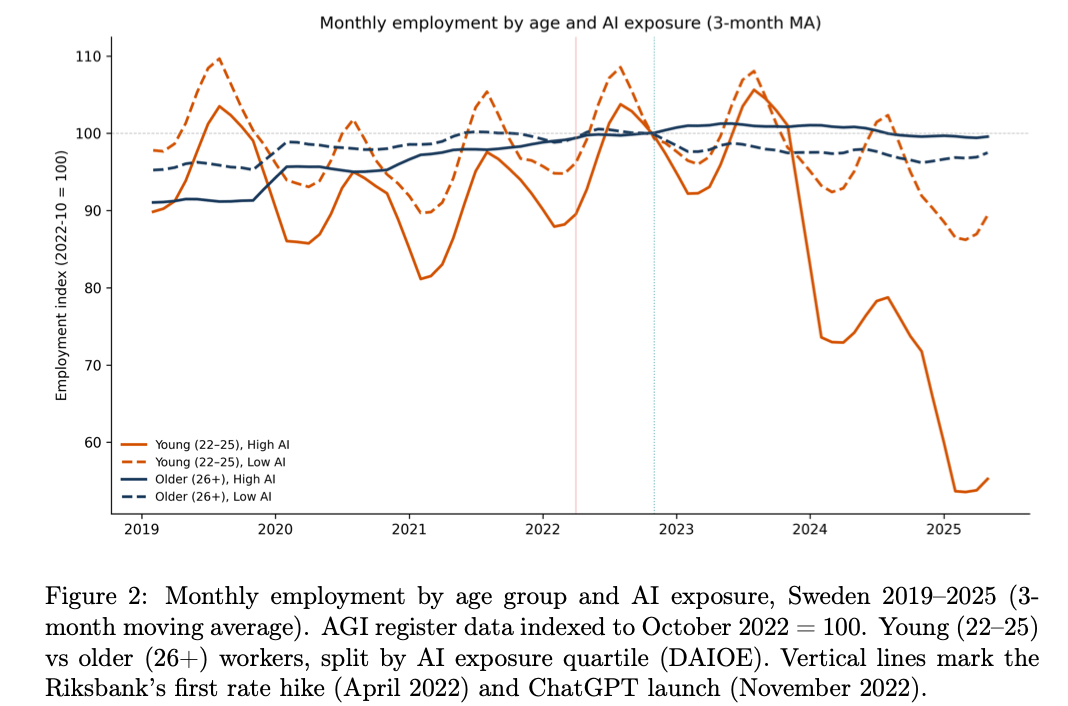
A study in Sweden finds that AI has caused an “accelerating decline in employment of 22–25-year-olds in high-AI-exposure occupations” (the orange line). By contrast, employment of workers over 50 rose by 1.3 per cent (woot woot). “The widening age gradient suggests that generative AI reshapes hiring composition rather than aggregate demand, with the adjustment burden falling disproportionately on entry-level workers.”
AI makes us dumber:

A recent study finds that “AI use impairs conceptual understanding, code reading, and debugging abilities, without delivering significant efficiency gains on average.” My optimistic take? Employers will soon be scrambling to hire back the humans they didn’t think they’d need anymore.
Vibecoding:
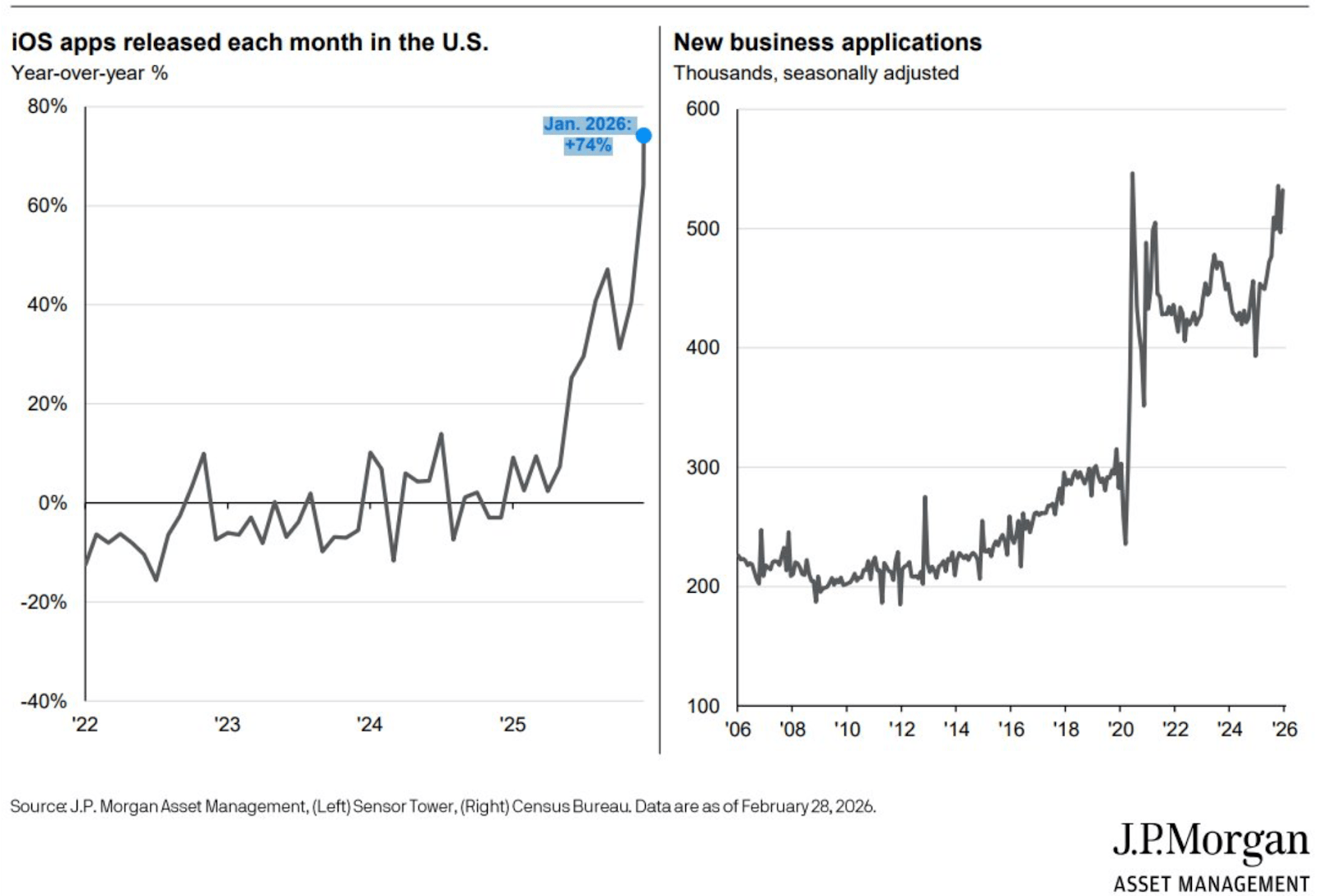
Software is easier to write, so people are writing more software (left). Data on business applications (right) suggests they optimistically believe they can make money at it (I bet they’re right).
The trend is our friend:
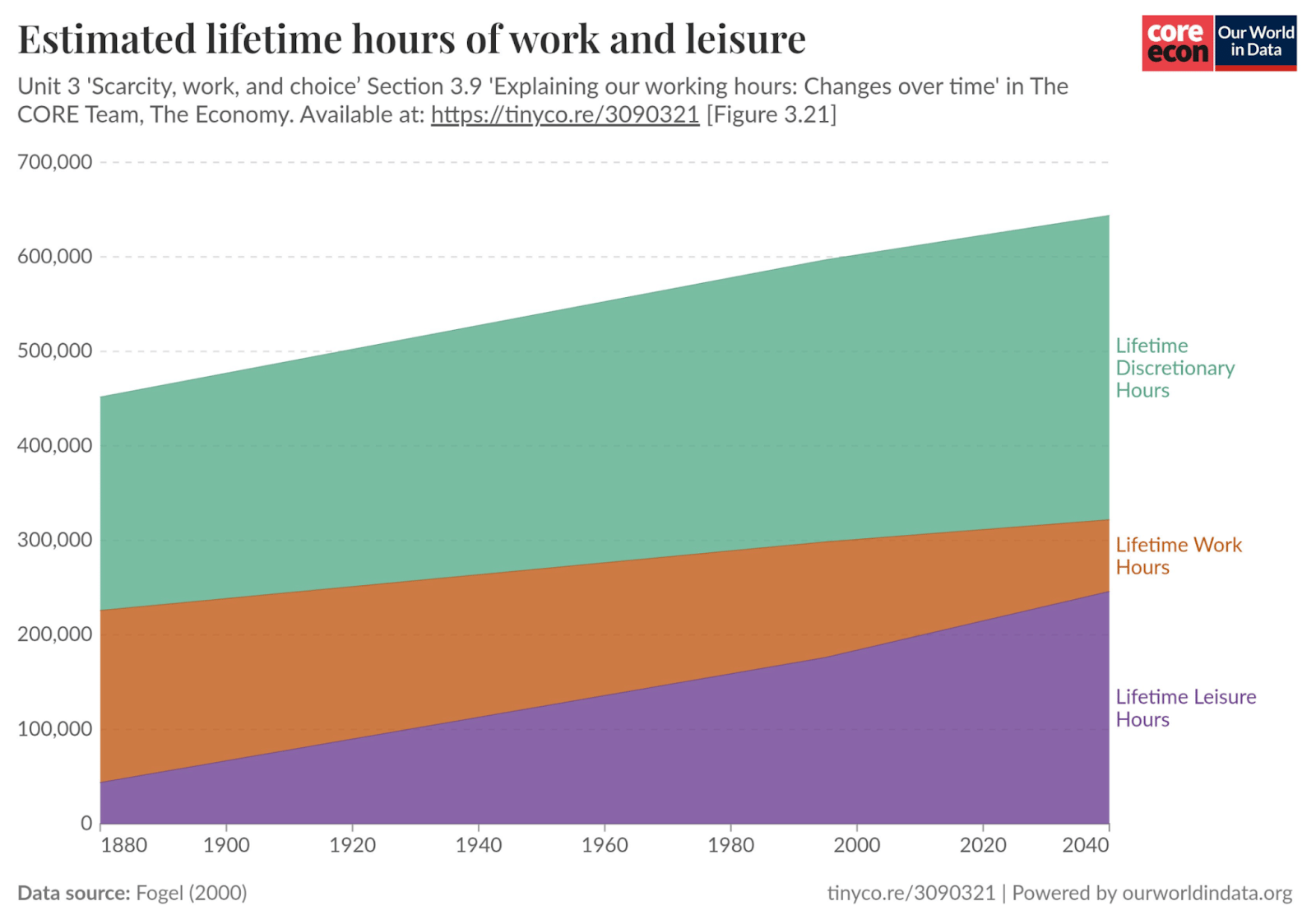
If AI allows us to do more, we can choose to work less. Advances in technology have historically led to more leisure time.
Creating new jobs:
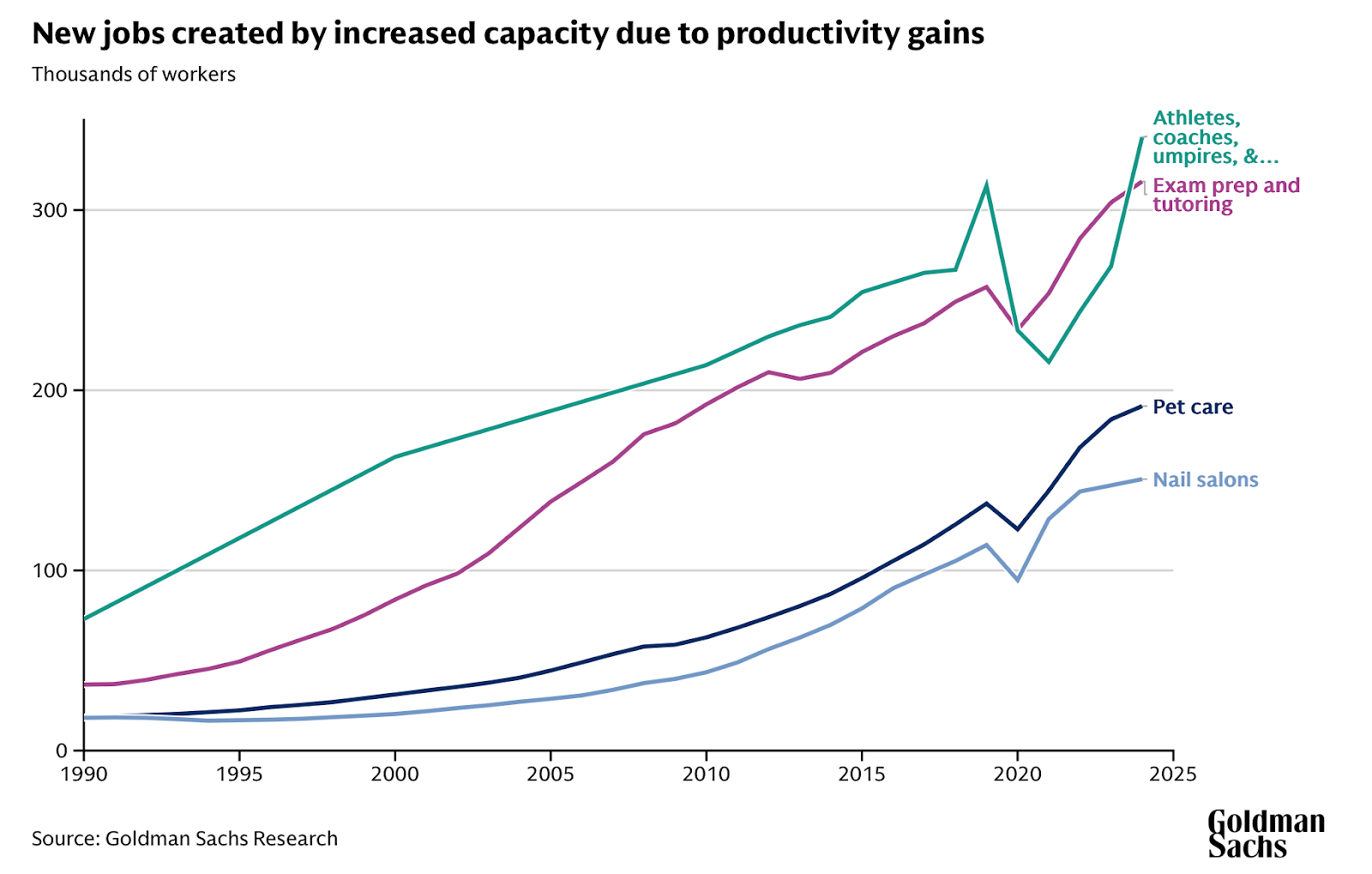
A Goldman Sachs report takes the long view: Humans always find something productive to do, and there’s no reason to think that will change — you only have to expand your definition of “productive” to things like nail-painting.
Need to do more housing:
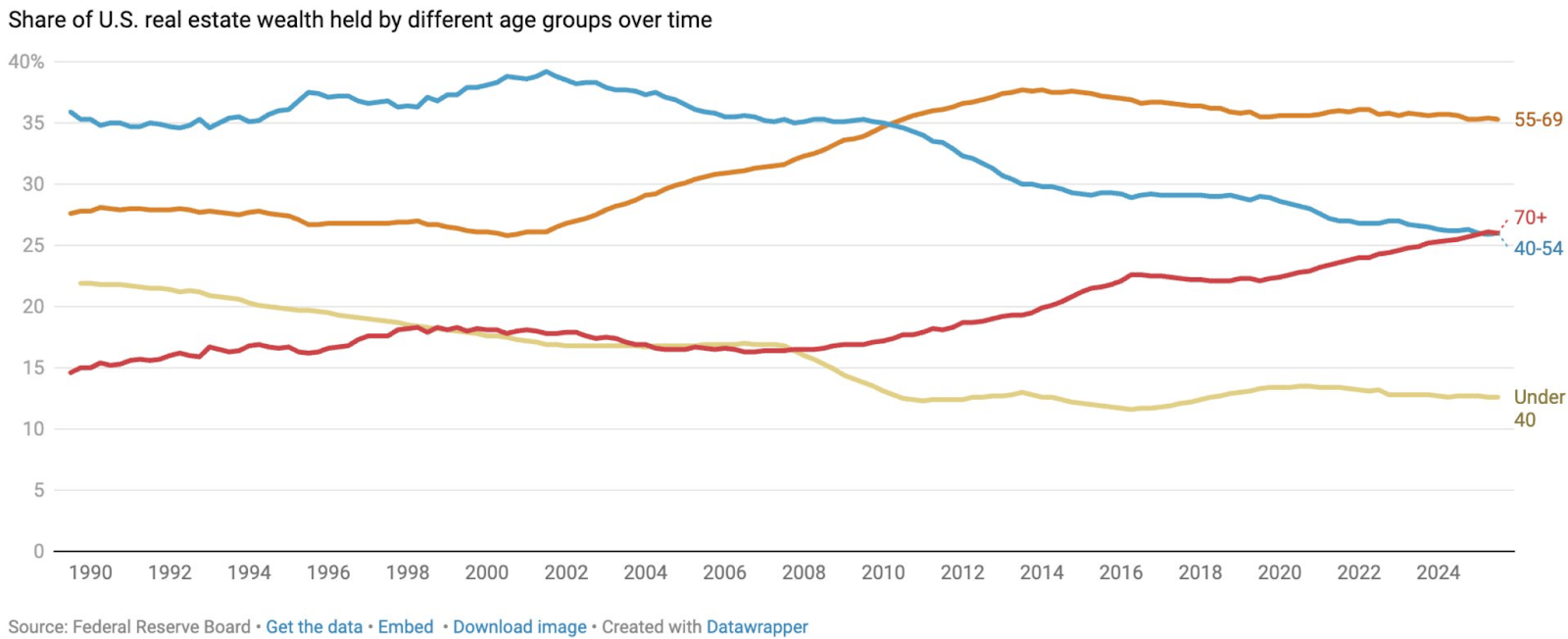
For the first time, more of the US’s real-estate wealth is held by 70+ year-olds than is owned by 40-54 year-olds. AI is making it worse.
Parents’ basements are filling up:

Housing analyst Kevin Ermann notes that a 50-year secular trend of kids moving out of their parents’ houses has fully reversed: Population per household is back up to 1950s levels. More fun for the parents than the kids, I’m guessing.
Everything looks better when you zoom out:
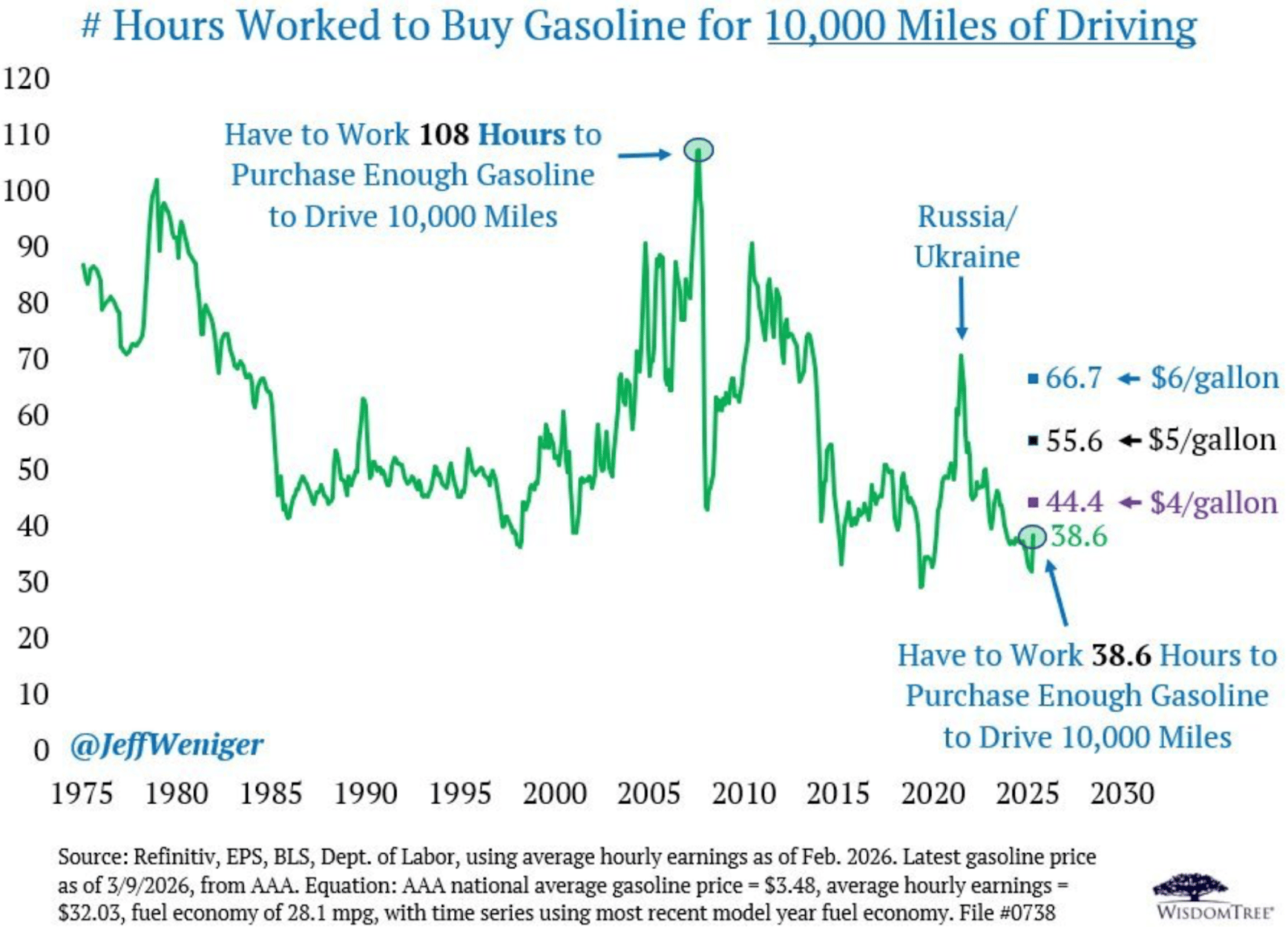
The short-term news is bad on gas prices, but the long-term trend is good.
A giant act of optimism:
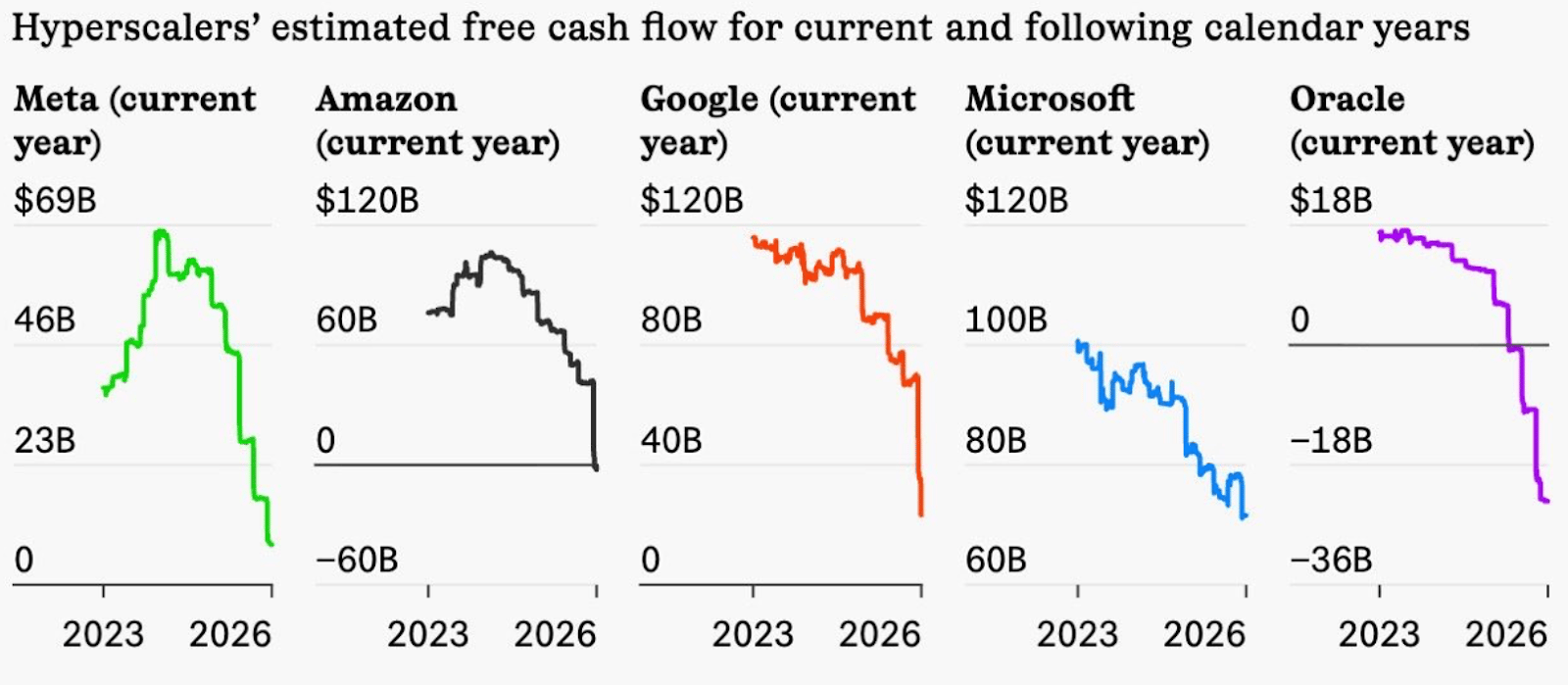
The hyperscalers’ staggering bet on AI is a short-term risk for investors, but it’s also an act of long-term optimism. Or is it fear? Hard to say.
Optimism increasingly rewarded:
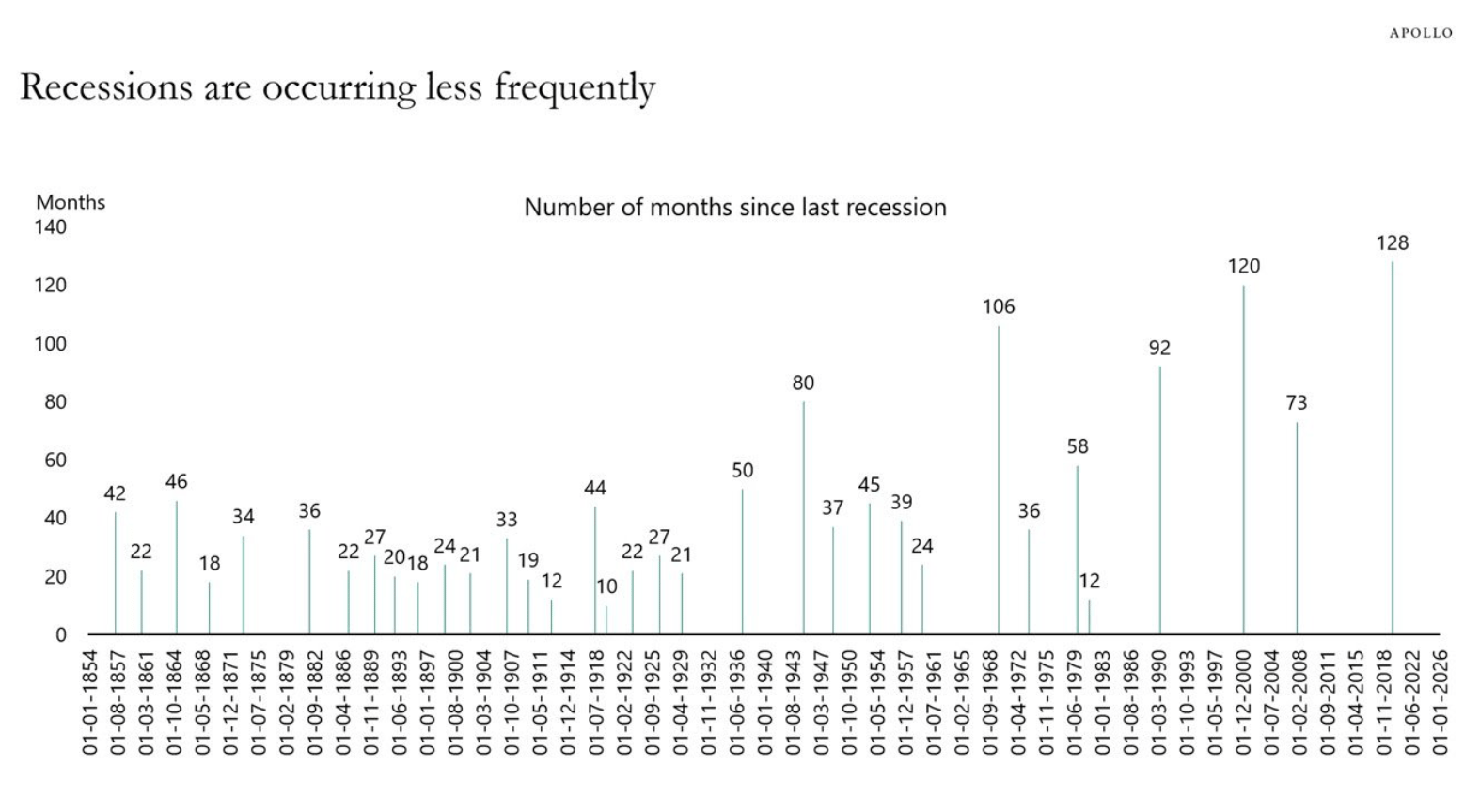
Investing used to be about dodging the next recession. Now it’s about staying optimistic while everyone keeps saying recession is coming.
In AI we trust:
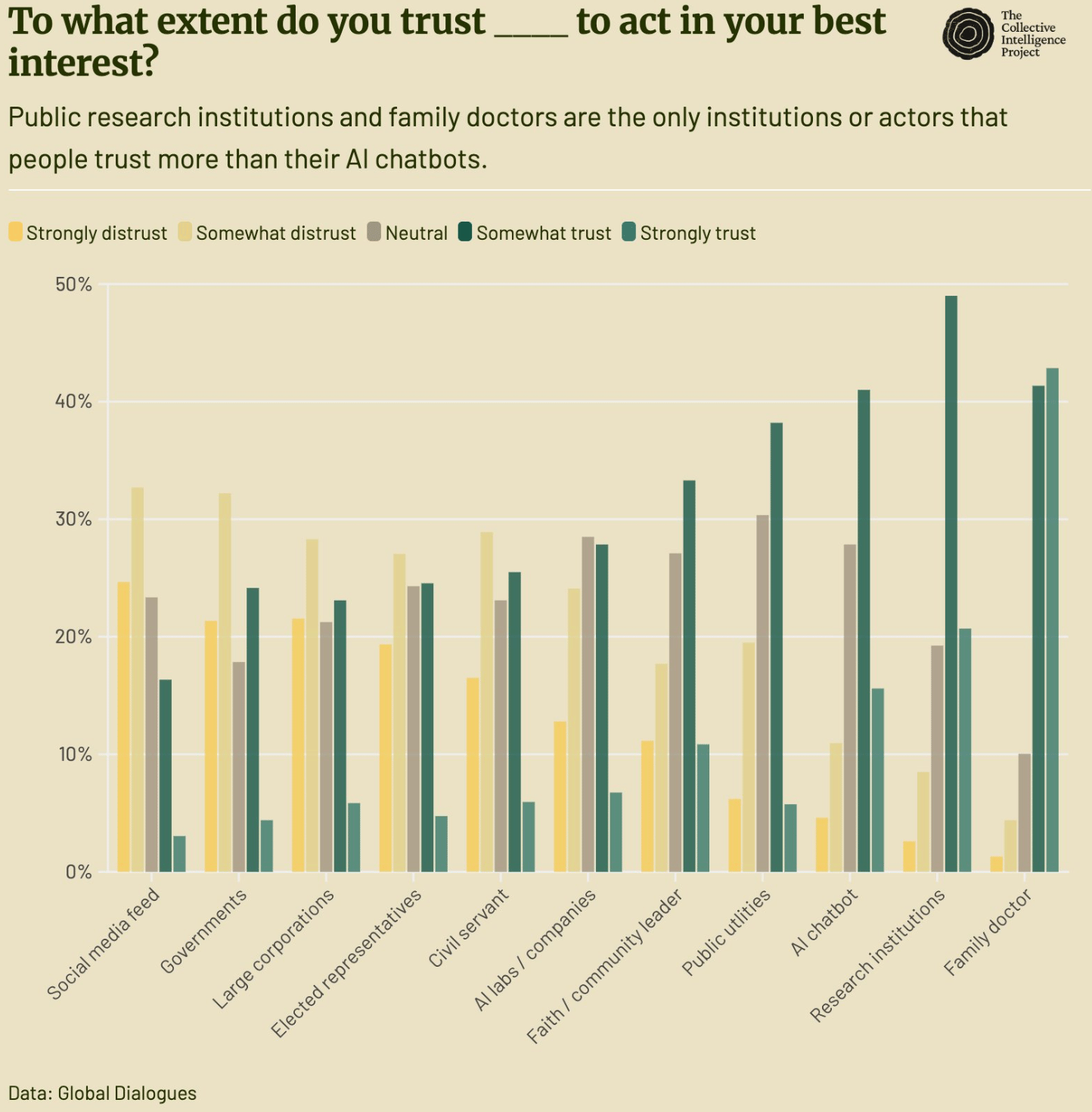
A survey finds that we trust AI chatbots more than just about anything other than “research institutions” and our family doctors.
Pessimists will think we’re being naive — the chatbots do still hallucinate and pander, after all.
But trust is important. “Societies that bring the most good to the most people require that people be trusted more than they are distrusted,” Kevin Kelly writes, “that they expect more good than harm; they require that people in general have more hope than fear.”
I optimistically believe the same goes for AIs.
Have a great weekend, optimistic readers.

Brought to you by:

Sablier is infrastructure for token distribution and money streaming. Vest tokens, run airdrops, and stream payments onchain, all with customizable unlock schedules.
530,000+ streams created. 6+ years without hacks. Used by Ethena, Uniswap DAO, and Fluid.
Start streaming at sablier.com.

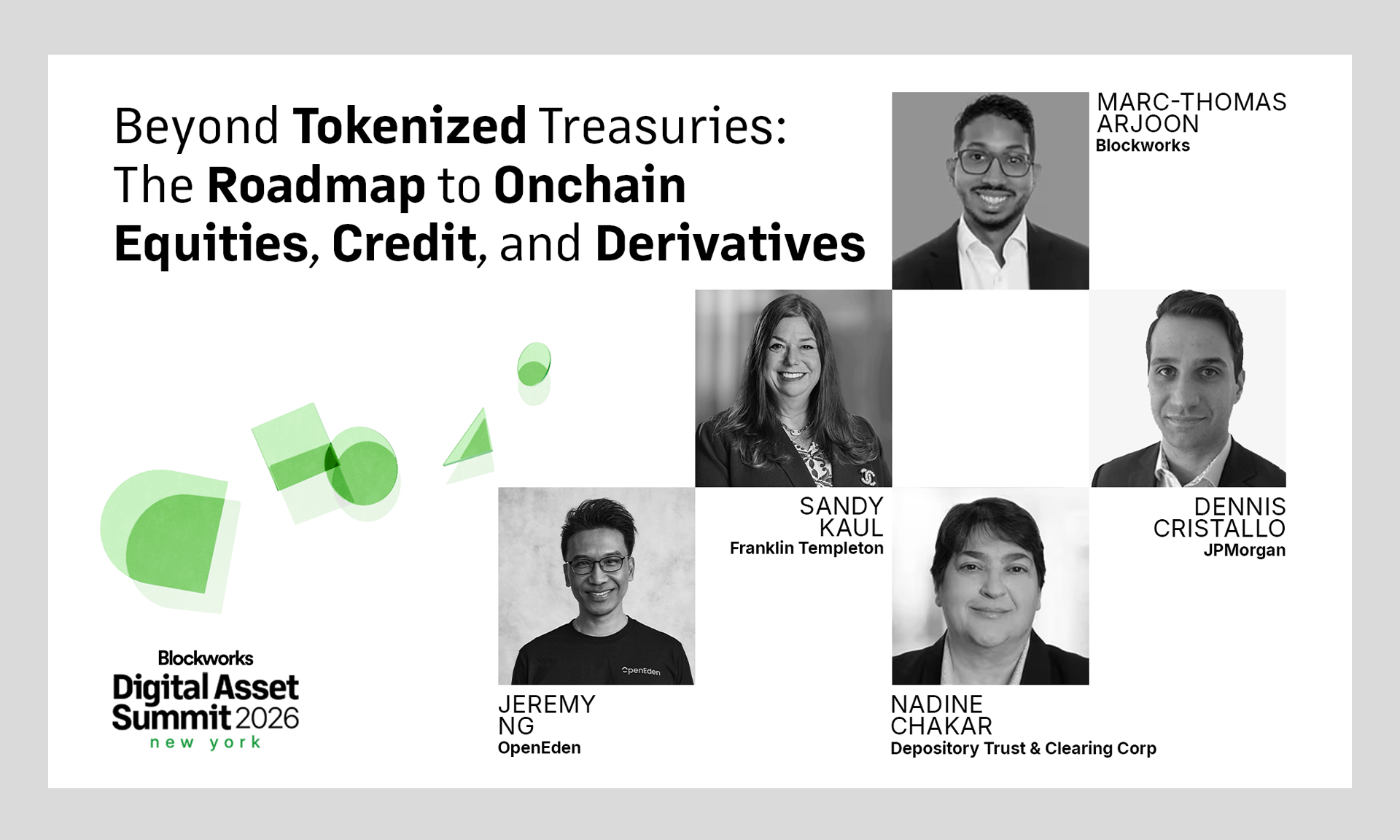
DAS NYC's lineup is bringing the biggest names in finance to the stage.
Don't miss the institutional gathering of the year — this March 24−26.